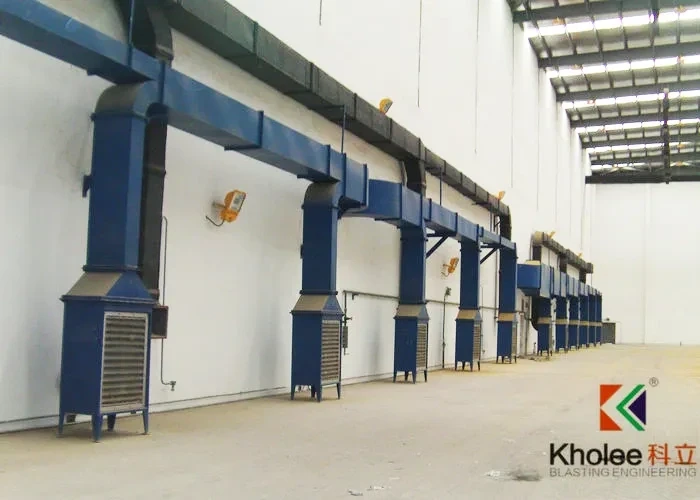
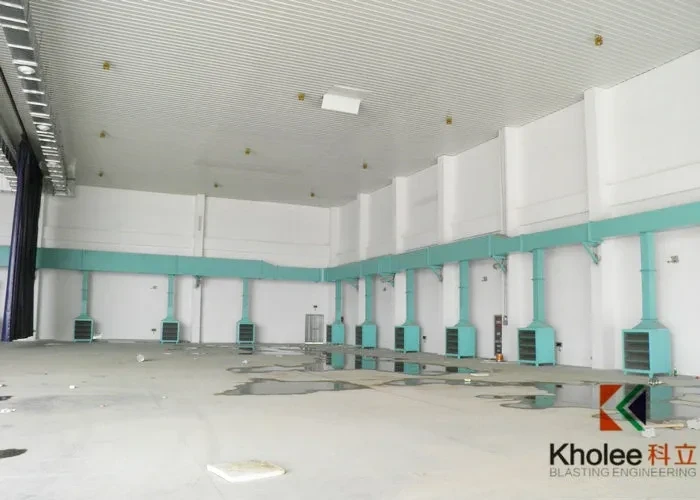
Paint mist filtering is a specialized air purification system for industrial painting workshops, designed to remove paint mist and harmful gases from the air, improve the working environment, ensure worker health, and meet environmental protection requirements. The system typically consists of multi-layer filters, activated carbon adsorbers, and spray capture devices, effectively capturing paint mist particles and preventing their diffusion into the air. It is suitable for industries such as automotive, furniture, home appliances, machinery, and others requiring painting operations, significantly reducing paint waste, minimizing air pollution, and improving the quality of painting work.
By precisely controlling airflow and filtration efficiency, paint mist filtering can capture paint mist particles of different sizes, preventing their impact on equipment and personnel. The equipment also features low energy consumption, high efficiency, simple operation, and convenient maintenance, making it ideal for large-scale painting production lines.
◆ Advantages
● High-efficiency mist capture: Employing multi-stage filtration technology, it effectively removes paint mist and harmful gases from the air, ensuring a clean working environment.
● Environmentally friendly and energy-saving: The filtration system is designed to efficiently capture paint mist particles, reducing paint waste and energy consumption, meeting environmental protection requirements.
● Easy to operate: The equipment has a simple structure and is easy to maintain. Operators can easily manage it, reducing complex operations and downtime.
● Improved working environment: It significantly reduces pollutants in the workshop air, lowers the concentration of harmful gases in the working environment, and protects worker health.
● Enhanced coating quality: By purifying the air, it improves the spraying effect during the coating process, reduces paint splatter and waste, and improves coating quality.
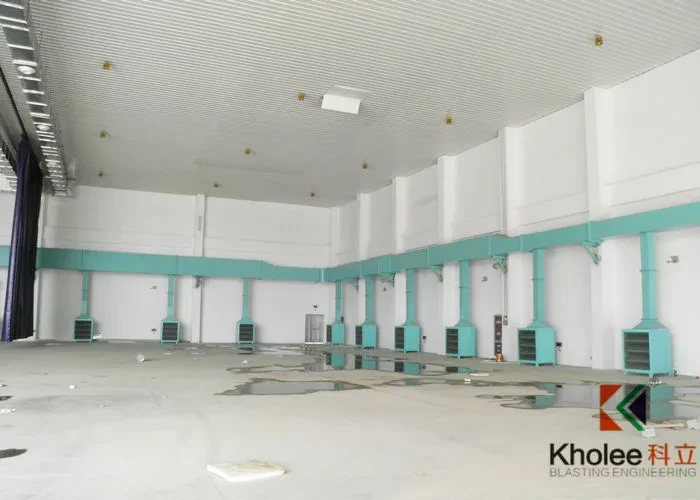
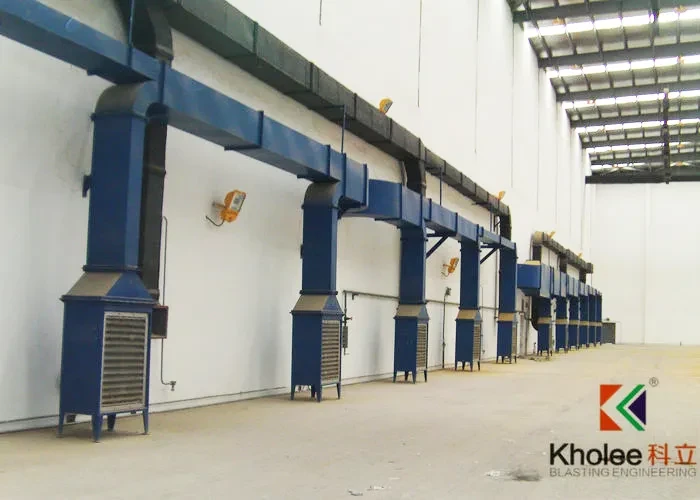
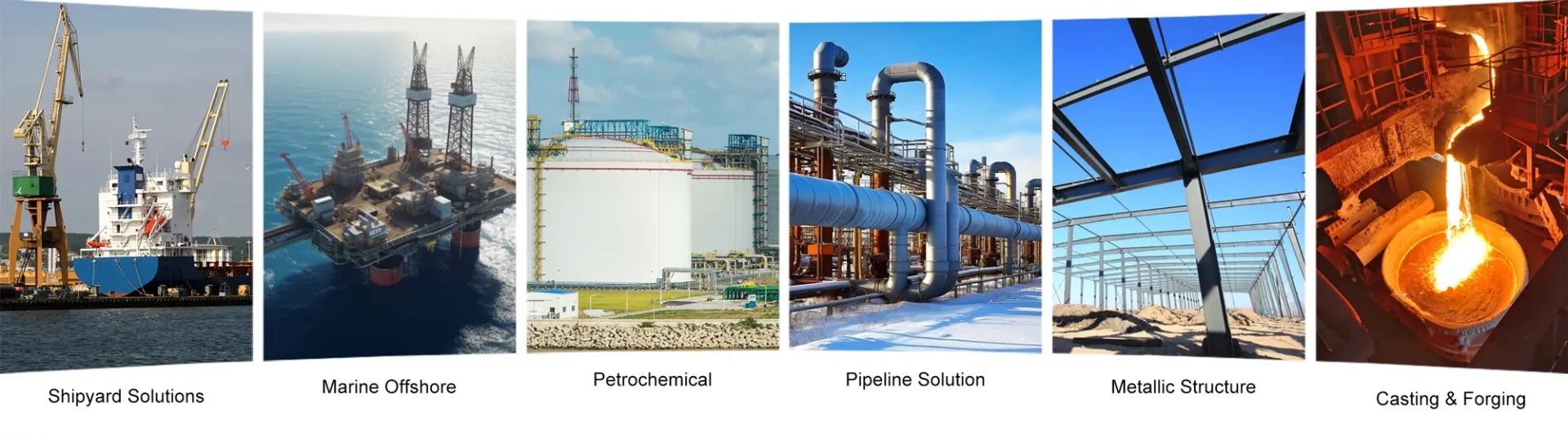
◆ Industry
◆ FAQ
What industries are suitable for paint mist filtering?
Paint mist filtration systems are widely used in industries requiring painting operations, such as automotive manufacturing, furniture painting, home appliance production, and metal processing. They are especially suitable for air purification in large-scale production lines.
How to improve the filtration efficiency of paint mist filtering?
Methods to improve filtration efficiency include regularly cleaning and replacing the filter to ensure it is not clogged and maintaining good ventilation in the system. Additionally, ensuring suitable temperature and humidity in the painting area of the workshop also helps improve filtration performance.
What are the key points for the maintenance of paint mist filtering?
Regularly check the condition of the filter and activated carbon adsorber, removing accumulated dust and dirt. Replace filter screens and cartridges promptly according to usage frequency, and check the fan's operating status to ensure normal equipment operation and efficient filtration.